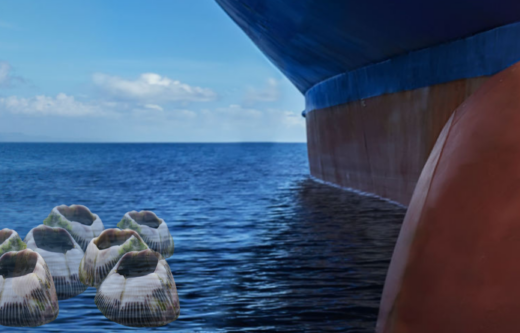
I-Tech at the Ship Energy Efficiency Conference 2026 in Athens
Ship Energy Efficiency Starts Below the Waterline
In March 2026, maritime decisionmakers, naval architects, shipowners and technology providers gathered in Athens for the Ship Energy Efficiency Conference 2026, organised by the Royal Institution of Naval Architects (RINA). The conference focused on one of the most pressing challenges facing shipping today: how to achieve real, measurable energy efficiency gains as the industry transitions towards decarbonisation and alternative fuels.
Against this backdrop, I-Tech participated in the conference with a clear message: effective biofouling management is a cornerstone of ship energy efficiency – and it cannot be discussed without addressing antifouling performance and regulatory realities.

A conference grounded in ship performance
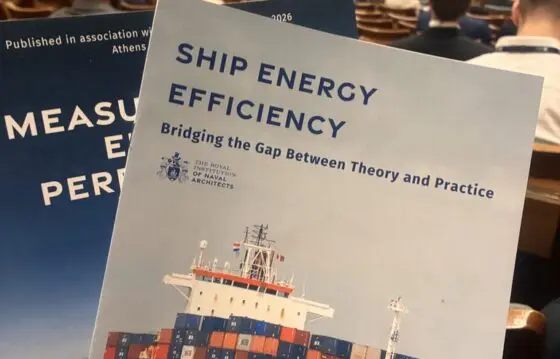
The Ship Energy Efficiency Conference was designed to bridge the gap between theory and practice. Over two days, speakers presented shipownerled case studies, databacked results, and lessons learned from operational and technical efficiency measures already implemented across global fleets.
Topics ranged from hydrodynamic solutions, coatings and hull performance, to hotel load optimisation, windassisted propulsion and digitalisation. A recurring theme throughout the programme was that no single measure delivers efficiency on its own. Instead, ship energy efficiency is achieved through a combination of technologies, operational practices, and longterm performance management.
Within this context, hull condition and biofouling management emerged as a critical – and sometimes underestimated – factor influencing fuel consumption, emissions and operational reliability.
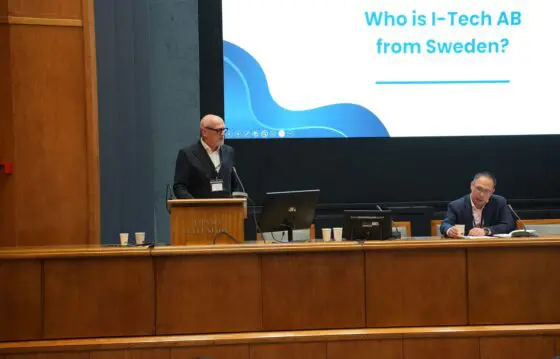
The future of antifouling: are antifouling biocides needed?
Representing I-Tech, Ulf Hansen, Senior Advisor Maritime, presented “The future of antifouling: are antifouling biocides needed?” during the session Ship Energy Efficiency: From Concept to Implementation.
The presentation addressed a question that is increasingly debated in regulatory and public forums, yet often oversimplified: can shipping realistically maintain efficient, low emission operations without antifouling biocides?
Drawing on decades of operational experience and performance data, the presentation highlighted that:
• Biofouling directly increases hull roughness, leading to higher fuel consumption and emissions.
• Even earlystage or light fouling can significantly impact hydrodynamic performance.
• In practice, nontoxic or biocidefree approaches alone have not yet demonstrated the ability to maintain clean hulls across diverse operating profiles, especially for vessels with slow steaming, idle periods or warmwater trading.
These points resonated strongly with the conference’s focus on measurable outcomes rather than theoretical potential.
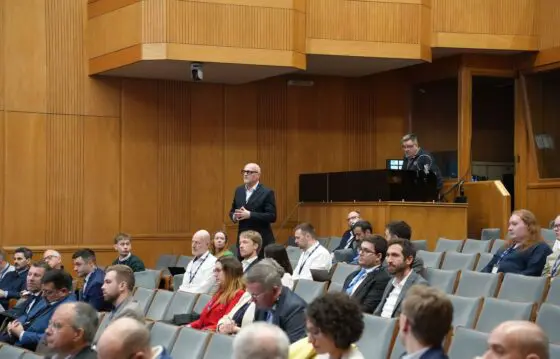
Biofouling, energy efficiency and decarbonisation – an inseparable link
One of the clearest takeaways from the conference was that energy efficiency and biofouling management are inseparable.
As the industry invests heavily in alternative fuels and new propulsion technologies, fuel efficiency remains fundamental – both to reduce emissions and to control operating costs. Poor hull condition can quickly erode the gains delivered by advanced engines, fuels or energy saving devices.
Conference sessions repeatedly underlined that:
• Fuel savings achieved through technical measures can be lost if hull performance is not maintained.
• Energy efficiency strategies must be holistic, accounting for real operating conditions over time.
• Preventive measures are generally more effective and cost efficient than reactive ones.
Effective antifouling solutions therefore play a critical role in protecting energy efficiency investments and supporting compliance with tightening environmental regulations.
Selektope and targeted biocide use
I-Tech’s contribution to the discussion emphasised that the debate should not be framed as biocides versus sustainability, but rather how biocides are used.
Selektope® was highlighted as an example of a targeted, low dose antifouling technology, designed to prevent settlement at an early stage rather than relying on broad spectrum toxicity. By acting specifically on barnacle larvae with a non-lethal effect during their settlement phase, Selektope enables coatings that maintain hull cleanliness with significantly lower biocide release compared to traditional solutions.
From an energy efficiency perspective, this targeted approach supports:
• Cleaner hulls over time, reducing fuel consumption and emissions.
• Lower need for reactive cleaning, which can damage coatings and increase lifecycle costs.
• Predictable performance, which is essential for shipowners managing efficiency and compliance across fleets.
Regulatory challenges and the importance of science-based decisions
The presentation also addressed the current regulatory situation in the EU, where Selektope is undergoing evaluation for renewal.
I-Tech has consistently advocated for a sciencebased, proportionate regulatory process that recognises both environmental protection and operational realities. As discussed in Athens, the risk of overly restrictive or delayed regulatory decisions is that effective tools for managing biofouling and energy efficiency are removed without viable alternatives in place.
This creates a paradox: regulations intended to reduce environmental impact may, in practice, lead to higher fuel consumption, increased emissions and more frequent hull cleaning, with associated environmental and economic costs.
The conference provided an important forum to raise awareness of this issue among naval architects, shipowners and technical decisionmakers, reinforcing the need for regulatory frameworks that support real world sustainability outcomes.
From conference dialogue to industry action
The Ship Energy Efficiency Conference 2026 confirmed that the maritime industry is moving towards a more data driven and holistic understanding of efficiency. Biofouling management is no longer a peripheral topic – it is central to discussions on decarbonisation, operational performance and lifecycle optimisation.
As shipping continues its transition, the industry must ensure that solutions below the waterline are not overlooked. Clean hulls remain one of the most immediate, proven and cost effective ways to improve ship energy efficiency – and they deserve a central place in both technical strategies and regulatory discussions.

Related articles

The Discovery That Changed Marine Antifouling
International Antifouling Conference to return in 2027 as shipping industry prepares for future global biofouling rules

New Sales Director Joins I-Tech team to lead global Selektope sales