Driving maritime sustainability forward: I-Tech at key EMSA and SEA Europe meetings in Lisbon
Driving maritime sustainability forward: I-Tech at key EMSA and SEA Europe meetings in Lisbon
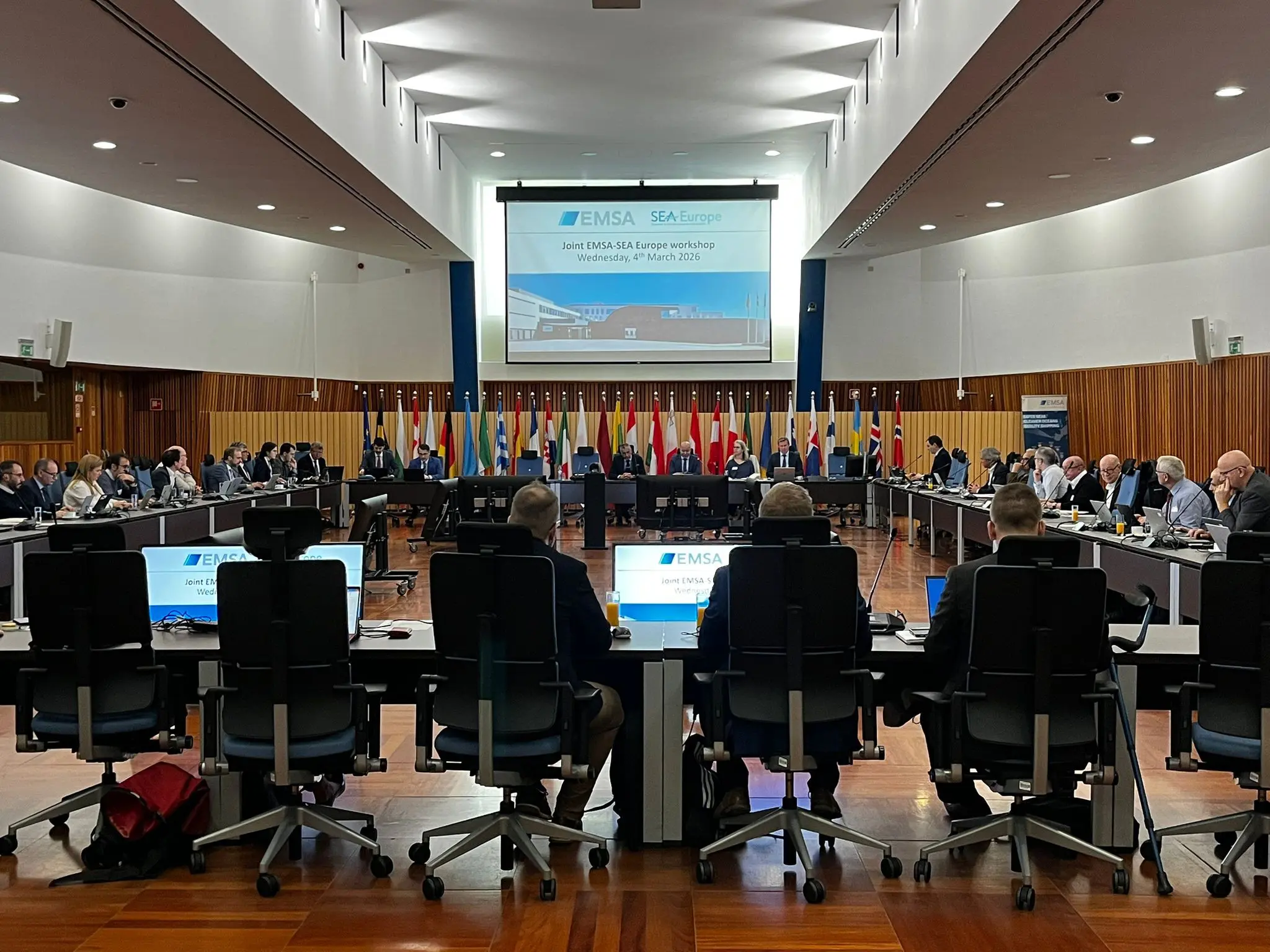
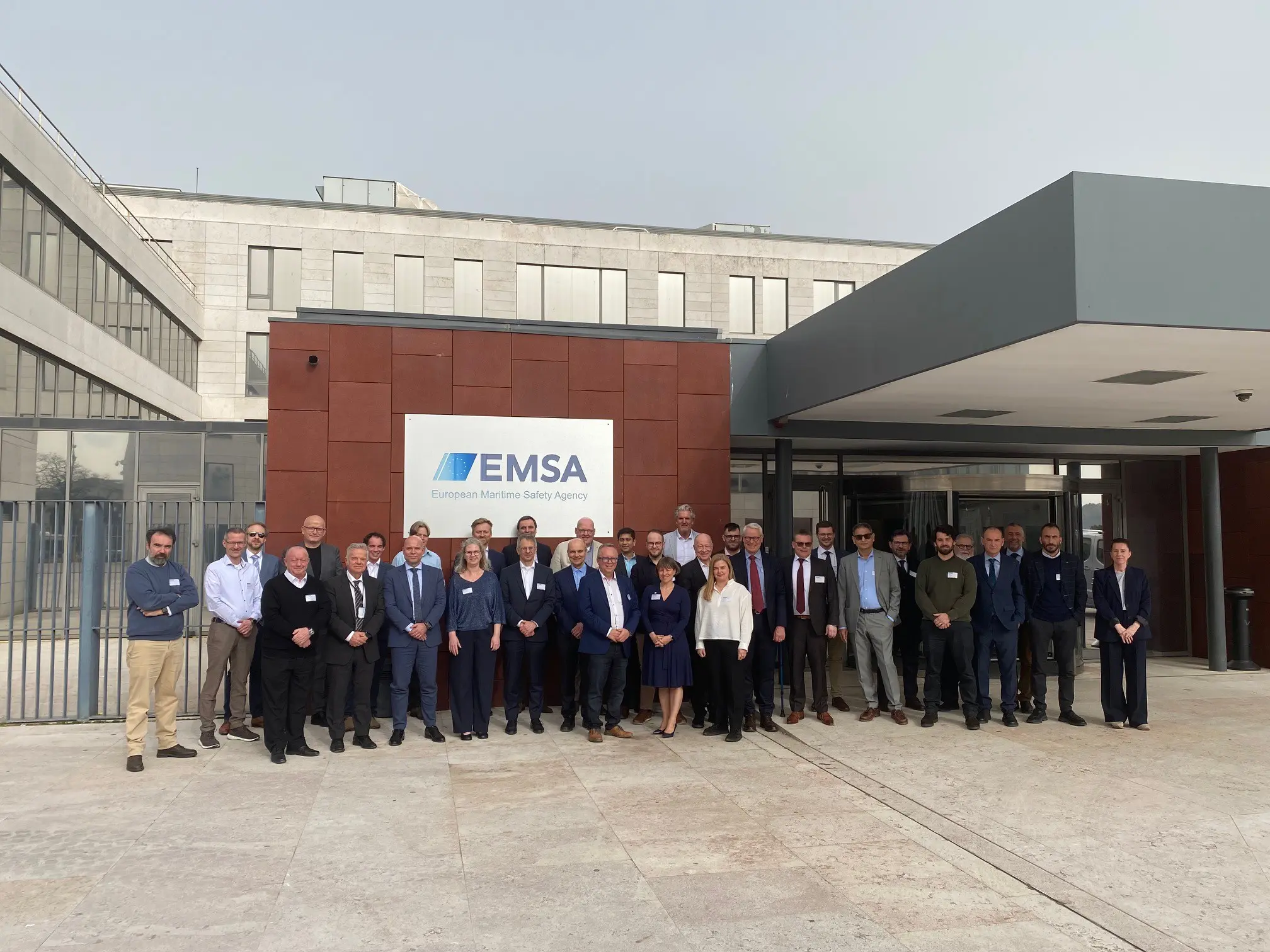
Last week, I-Tech joined Europe’s leading shipyards and maritime equipment manufacturers at the EMSA Headquarters in Lisbon for two important gatherings: the SEA Europe Technical Committee and the 13th Joint EMSA–SEA Europe Annual Workshop. Represented by Cecilia Ohlauson, Director Regulatory Affairs & Sustainability, I-Tech contributed to discussions that are rapidly shaping the future of Europe’s maritime sector.
These meetings brought together people and organizations working at the intersection of innovation, regulation, and sustainability. And for Selektope®, as a technology at the heart of sustainable biofouling management, the conversations were highly relevant.
With focus on technical and regulatory transformation
During the SEA Europe Technical Committee meeting, participants explored some of the most influential EU legislative initiatives and strategies:
• The EU Industry Accelerator Act
• The EU Circular Economy Act
• The forthcoming EU Maritime Strategy (since released)
Alongside EU initiatives, international developments took center stage, particularly SEA Europe’s contributions at the International Maritime Organization (IMO) – including MEPC and PPR subcommittee work on environmental protection. These regulatory frameworks are increasingly placing biofouling management, decarbonisation, and circularity at the forefront of maritime policy.
This shift aligns strongly with what Selektope stands for: enabling sustainable hull performance, reducing greenhouse gas emissions through fuel savings, and helping shipowners meet tightening environmental regulations.
Driving innovation at the joint EMSA–SEA Europe workshop
At the Joint EMSA–SEA Europe Annual Workshop, innovation was the common thread. Topics ranged from digitalisation and advanced materials to carbon management, retrofitting, and, importantly, biofouling management.
Cecilia Ohlauson presented on the close connection between biofouling management and sustainable shipping — a relationship that is becoming impossible to ignore. As ships increasingly face efficiency requirements and emissions reduction targets, the need for technologies, such as Selektope, that maintain a clean hull over long operational intervals is more critical than ever.
Shipyard Insights from Lisnave Estaleiros Navais S.A.
A highlight of the programme was the visit to Lisnave Estaleiros Navais S.A., one of Europe’s premier ship repair facilities. The visit provided valuable operational context: shipyards are central to ensuring high-performance hull coatings reach the water, and their role grows as vessel efficiency becomes a strategic priority for the sector.
The discussions reinforced how clean hulls and effective antifouling coatings directly support operational reliability, cost efficiency, and compliance with evolving environmental rules.
The newly released EU maritime strategy – A clear call for sustainable innovation
Since the meetings in Lisbon, the new EU Maritime Strategy has been released — and its direction underscores the relevance of Selektope´s availability in antifouling products more than ever.
The strategy emphasizes a competitive, innovative, and sustainable European maritime sector, with a strong focus on reducing environmental impact, accelerating technological adoption, and strengthening Europe’s leadership in green shipping.
Biofouling management is central to these objectives.
A vessel with uncontrolled fouling can emit up to 40% more CO₂ due to increased drag, according to IMO studies. As regulatory pressure grows and environmental scrutiny intensifies, solutions like Selektope deliver measurable impact. They empower coatings manufacturers and shipowners to:
• Achieve higher operational efficiency
• Meet regulatory expectations
• Reduce emissions without retrofitting hardware
• Manage performance risks in unpredictable trading routes
As Europe strives to remain a global maritime innovation leader, I-Tech support this ambition — by providing an antifouling biocide that can improve both environmental performance and commercial competitiveness.
Moving forward
The discussions in Lisbon, the insights from the shipyard visit, and the newly issued EU Maritime Strategy all point to the same conclusion: Europe’s maritime sector strives to accelerate toward a cleaner, smarter, more resilient future.
As the sector’s sustainability momentum builds, so does the importance of high-performance antifouling technologies that reduce emissions, support regulatory compliance, and enable long-term operational efficiency.

Related articles
Making sense of hull performance: a reflection from HullPIC 2026
I-Tech at the Ship Energy Efficiency Conference 2026 in Athens
I-Tech Renews Membership in the Ballastwater & Environmental Manufacturers Association (BEMA)